Indoor Houseplants Line Art Design for Blog Graphics and T-Shirt Designs
A Fresh Visual Spark for Eco-Conscious Content
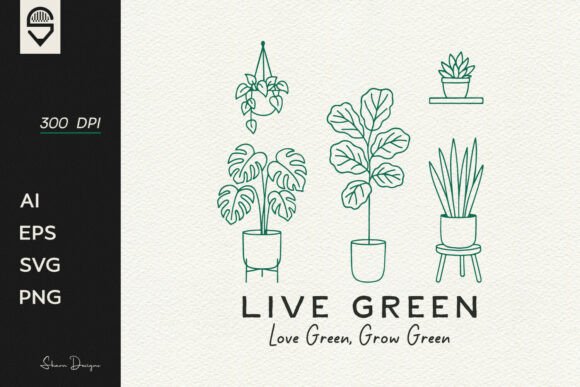
The Indoor Houseplants Line Art Design immediately brings a sense of calm and creativity to any editorial layout. With its minimalist line art illustration featuring various potted houseplants and the motivational quote “Live Green, Love Green, Grow Green,” this graphic design asset feels both artistic and purposeful. It naturally supports eco-friendly content niches, lifestyle publishing, and plant lover communities.
This design has a modern, clean aesthetic that leans into lifestyle-focused storytelling. It’s not overly decorative or childish, which makes it suitable for a wide range of content types—from digital guides on sustainable living to blog posts about interior design. The visual mood is welcoming, encouraging readers to engage with content that promotes growth, wellness, and environmental awareness.
Real Publishing Workflow: Where This Design Shines
If you're preparing featured images, Pinterest pins, or article headers for a blog focused on green living or plant-based lifestyles, this design is a natural fit. Its visual simplicity allows it to blend seamlessly with text without overwhelming the reader. Whether used as a hero image on a website header or as a thumbnail for an article about indoor gardening, the Indoor Houseplants Line Art Design adds a touch of personality while maintaining editorial clarity.
For newsletter creators, this graphic can serve as a header for monthly updates on eco-friendly habits or as part of a lead magnet offering downloadable resources like a “Beginner’s Guide to Indoor Plants.” When paired with strong headlines, it helps create a stronger first impression and improves click-through potential by visually signaling the content's theme.
On social media platforms like Pinterest, where visual appeal is key, this design works exceptionally well as a pin. Its clean lines and positive message make it shareable and recognizable. For affiliate marketers promoting plant-related products, using this graphic in ad creatives or Canva templates can help reinforce brand identity and drive engagement.
Enhancing Content Performance with Stronger Visuals
Incorporating the Indoor Houseplants Line Art Design into your content strategy can significantly improve visual hierarchy and branding consistency. It provides a cohesive look across different platforms—whether it's a blog post, a downloadable printable, or a digital guide. Readers are more likely to trust and engage with content that looks polished and professional.
This design also supports better category recognition. If you're running a website with multiple sections—like a blog covering home decor, sustainability, and wellness—the use of this graphic in category thumbnails or section headers can help readers quickly identify the right content area. It reinforces a visual identity that aligns with the core values of your brand.
Additionally, the design’s versatility allows it to be used in various formats, including web banners, editorial accents, and even as part of a media kit. Its adaptability ensures that it can support a wide range of content marketing efforts without losing its impact.
Where This Design Works Best
The Indoor Houseplants Line Art Design excels in hero images, article thumbnails, Pinterest pins, blog graphics, and editorial accents. It's particularly effective when placed alongside headline text that emphasizes growth, wellness, or sustainability. In downloadable resources like worksheets or eBooks, it can serve as a visual anchor that enhances readability and reinforces the content's message.
It also performs well in newsletter headers and social media previews, where it can catch attention and encourage clicks. As part of a Canva template for digital products or creative marketplace listings, this design helps elevate the overall presentation and professionalism of your offerings.
Using It with Care: Practical Publisher Notes
While this design is versatile, it should be used carefully in certain contexts. On small mobile thumbnails, the intricate details of the line art may become less visible, so it's important to test how it looks at different sizes. When placed on low-contrast backgrounds or in busy layouts, it might not stand out as effectively, so consider using it in areas with sufficient white space.
For serious professional niches or corporate content, this design might feel too playful or niche-specific. However, for small business branding, creative entrepreneurs, or eco-conscious content creators, it’s a perfect match. Always preview it within a real blog layout and test it with different font styles—serif, sans serif, script, and display fonts—to ensure readability and contrast.
Before using this graphic design asset on monetized websites, affiliate pages, or paid content products, confirm that it comes with a commercial license. File size and image compression are also important factors for web performance, so always optimize the image before publishing.
Conclusion: A Valuable Asset for Creative Publishers
The Indoor Houseplants Line Art Design is more than just a graphic—it’s a powerful editorial tool that can enhance blog visuals, improve website branding, and elevate the presentation of downloadable resources. Whether you're a blogger, publisher, or digital marketer, this design offers a fresh way to connect with your audience through meaningful visuals that reflect your brand’s mission and values.
By thoughtfully integrating this graphic design asset into your content workflow, you can create a more engaging, trustworthy, and visually appealing experience for your readers. And for those interested in T-shirt designs or other merchandise, this line art also serves as a great foundation for creative product development.